
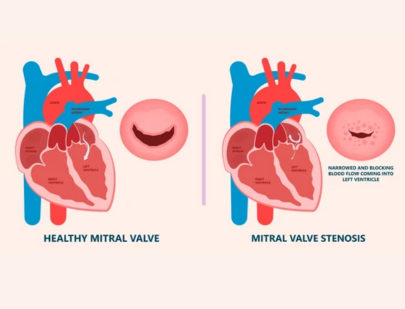
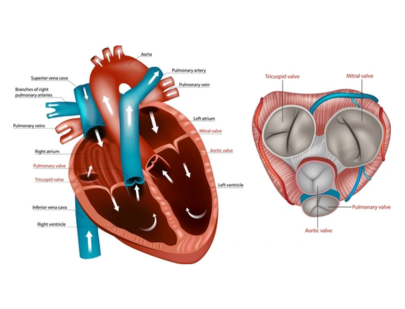


Heart valve disease occurs when one or more of the heart’s four valves become damaged, leading to inefficient blood flow and increased strain on the heart. Valve replacement or repair surgery is a critical intervention to restore normal valve function and prevent further complications, such as heart failure or arrhythmias. The decision to repair or replace a valve depends on the severity of the damage and the patient’s overall health.
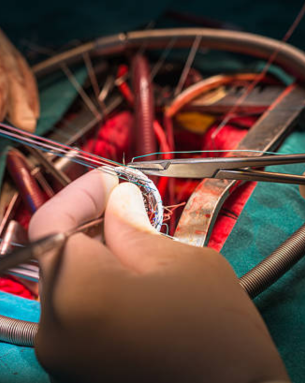
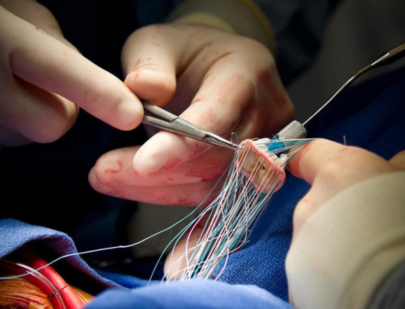
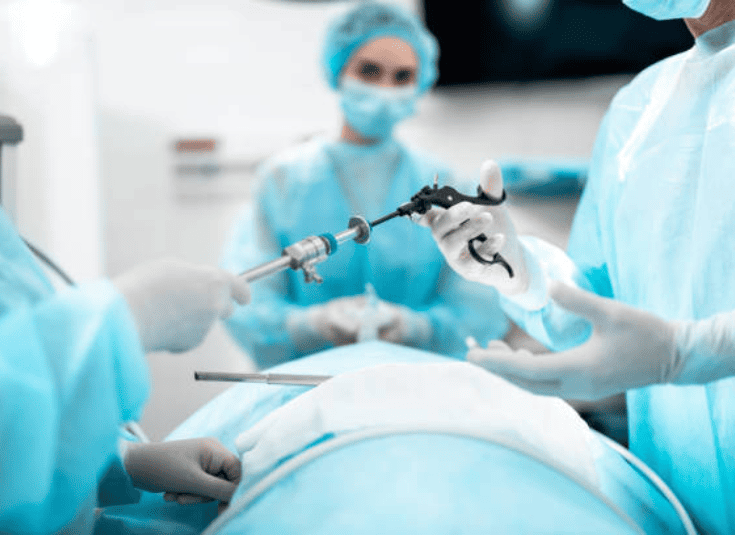
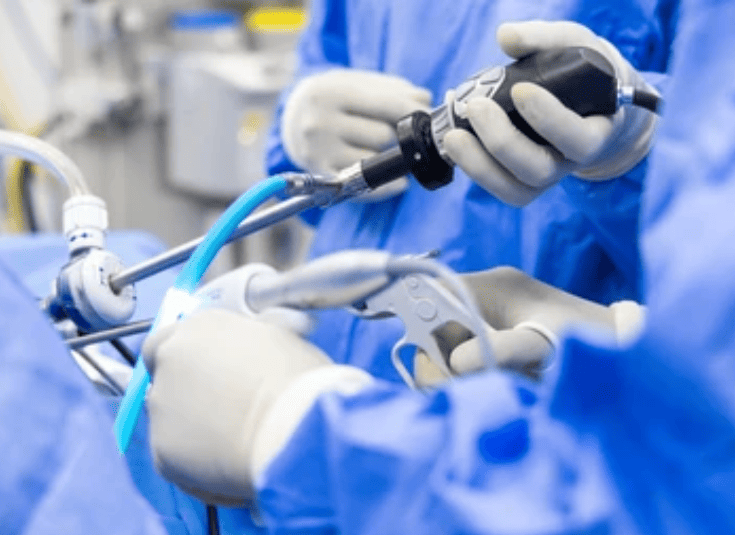
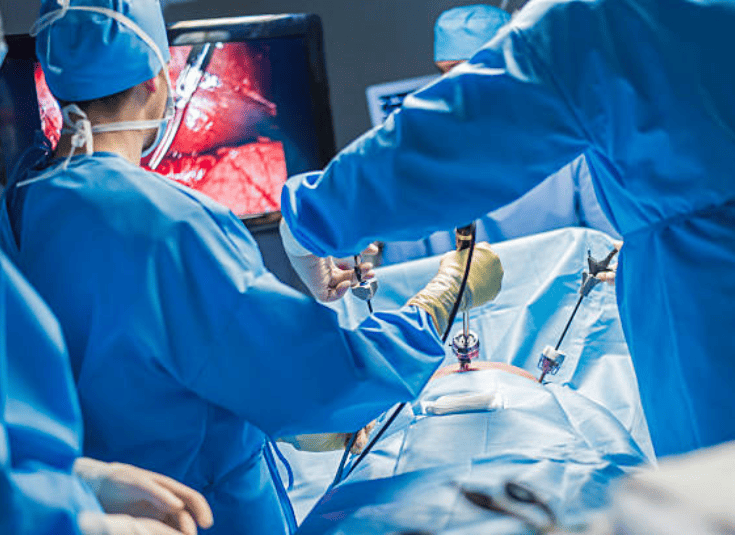
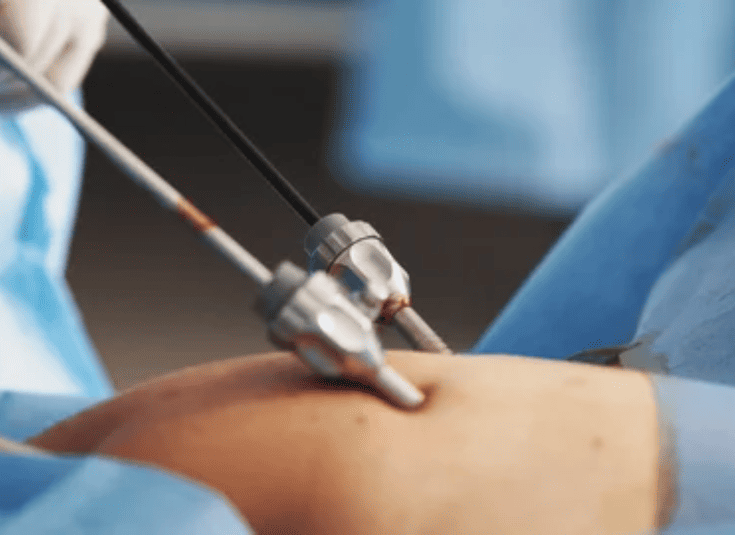
During the procedure, surgeons either repair the existing valve by reshaping or reinforcing it or replace it with a mechanical or biological valve. Mechanical valves are durable and last longer, while biological valves offer the advantage of reduced need for lifelong blood thinners. In some cases, minimally invasive techniques are used to repair or replace valves, allowing for faster recovery and reduced risks compared to traditional open-heart surgery.
During the procedure, surgeons either repair the existing valve by reshaping or reinforcing it or replace it with a mechanical or biological valve. Mechanical valves are durable and last longer, while biological valves offer the advantage of reduced need for lifelong blood thinners. In some cases, minimally invasive techniques are used to repair or replace valves, allowing for faster recovery and reduced risks compared to traditional open-heart surgery.
Valve replacement and repair significantly improve the patient’s quality of life by reducing symptoms such as shortness of breath, fatigue, and chest pain. For those with severe valve dysfunction, surgery often offers the best chance for long-term health and survival. Post-operative care and lifestyle changes, including heart-healthy habits and regular check-ups, are essential to ensuring the success of the procedure and maintaining optimal heart function.
© Dr. Dinesh Chandra 2026