
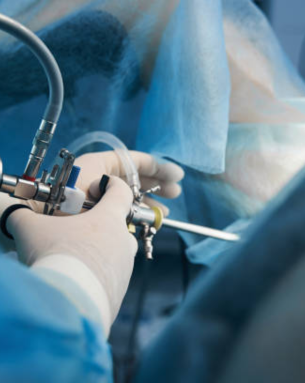
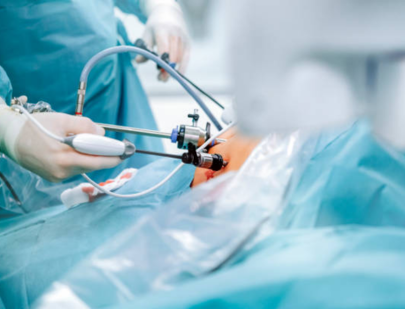
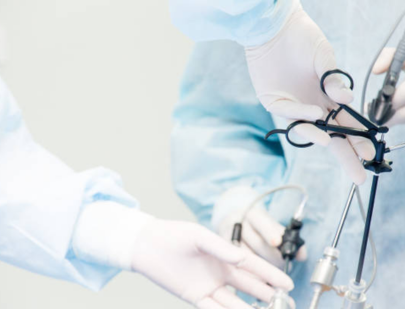

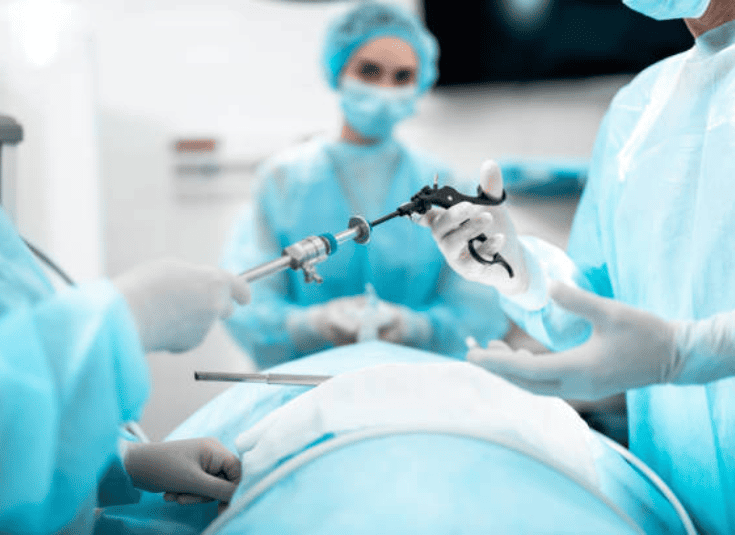
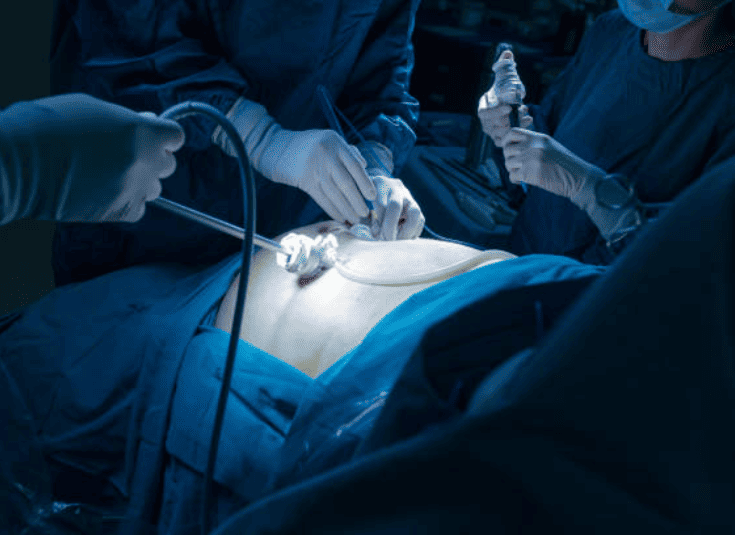
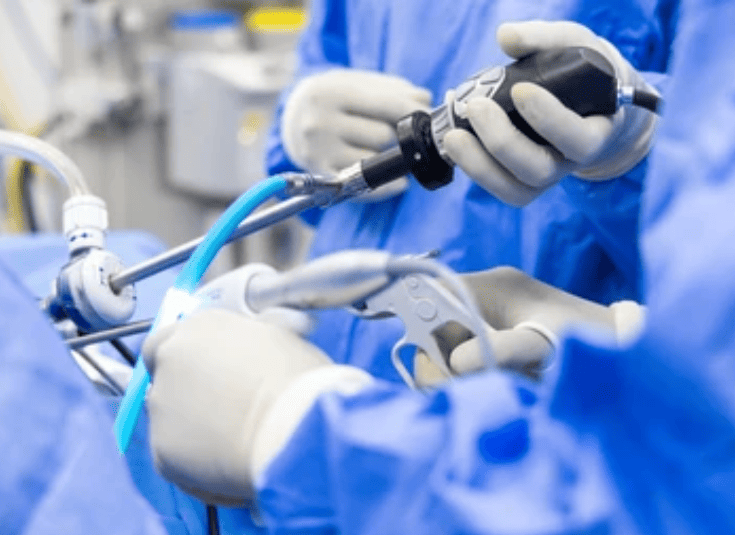
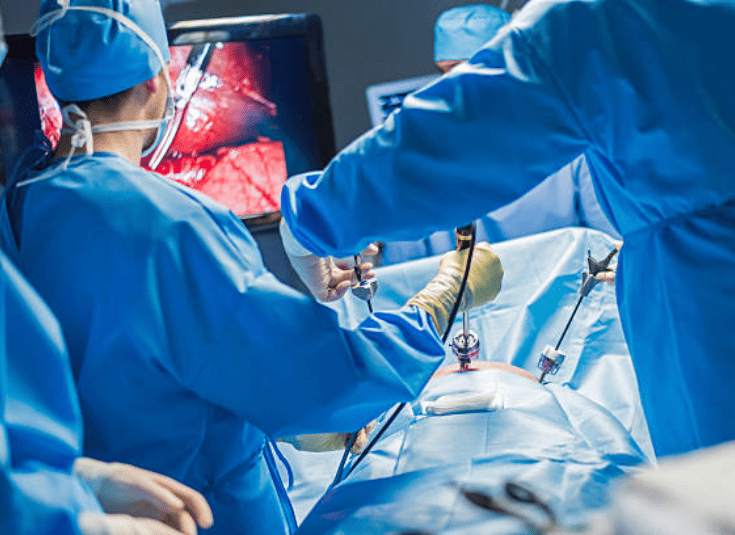
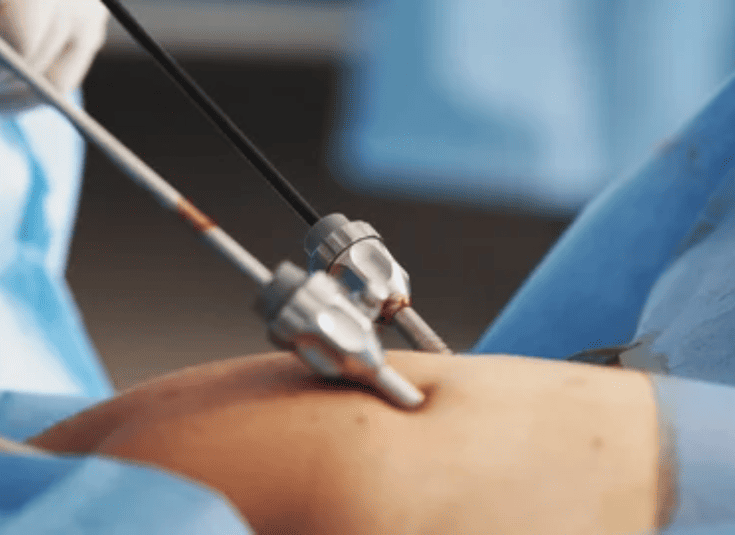
Minimally invasive heart surgeries have transformed the way complex cardiac conditions are treated, offering patients quicker recovery, less pain, and minimal scarring. Unlike traditional open-heart surgery, minimally invasive procedures require only small incisions, often using robotic or video-assisted techniques to perform surgeries with precision. These procedures are particularly beneficial for patients requiring coronary artery bypass grafting (CABG), valve repair or replacement, and atrial septal defect closure.
In addition to shorter hospital stays, minimal invasive surgeries reduce the risk of infection and complications, enabling patients to return to their daily lives sooner. Surgeons utilize advanced imaging technologies, such as video cameras and specialized robotic instruments, which enhance visibility and accuracy during the procedure. These innovations have made minimally invasive options available to a wider range of patients, including those who were previously considered high-risk for traditional surgeries.
In addition to shorter hospital stays, minimal invasive surgeries reduce the risk of infection and complications, enabling patients to return to their daily lives sooner. Surgeons utilize advanced imaging technologies, such as video cameras and specialized robotic instruments, which enhance visibility and accuracy during the procedure. These innovations have made minimally invasive options available to a wider range of patients, including those who were previously considered high-risk for traditional surgeries.
The main advantage of these advanced techniques is the faster recovery time, allowing patients to avoid long hospitalizations and enjoy a more comfortable post-operative experience. These surgeries also minimize blood loss, lower the risk of blood clots, and result in less trauma to the body, contributing to an overall better surgical outcome and a more seamless recovery process.
© Dr. Dinesh Chandra 2026