
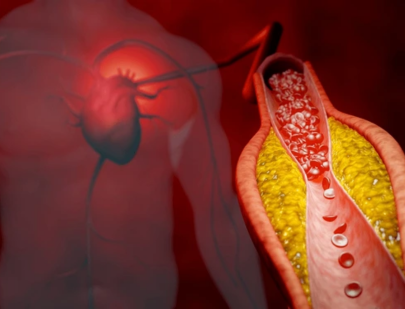
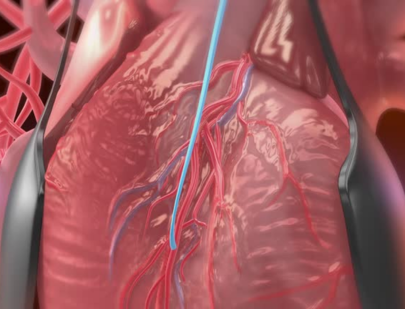
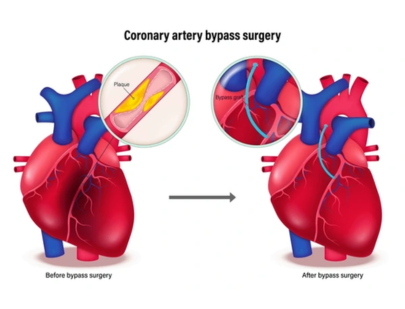



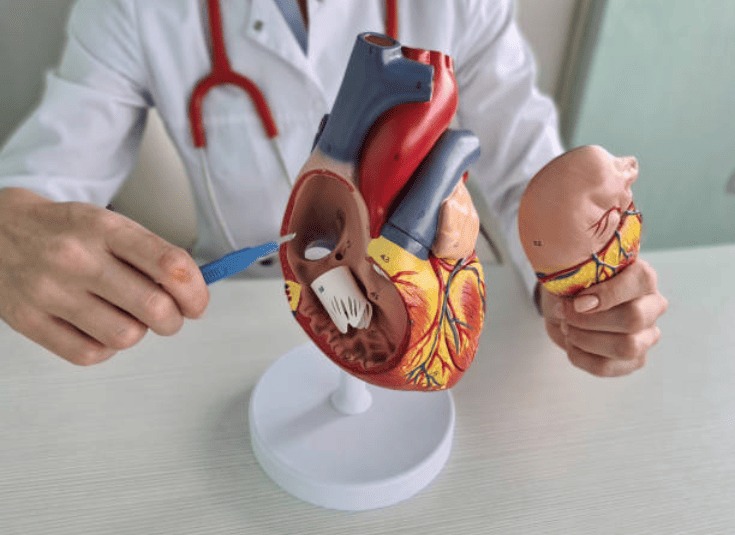
Coronary Artery Bypass Surgery (CABG) is a critical surgical intervention for patients suffering from severe coronary artery disease (CAD), where the arteries supplying blood to the heart become narrowed or blocked. This procedure involves rerouting blood flow around blocked arteries by grafting healthy blood vessels to bypass the blockage, restoring proper blood supply to the heart muscle. CABG is often recommended for patients with multiple blockages or when angioplasty and stenting are not viable options.
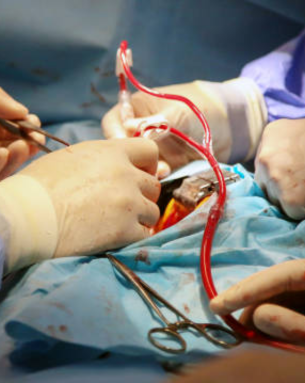
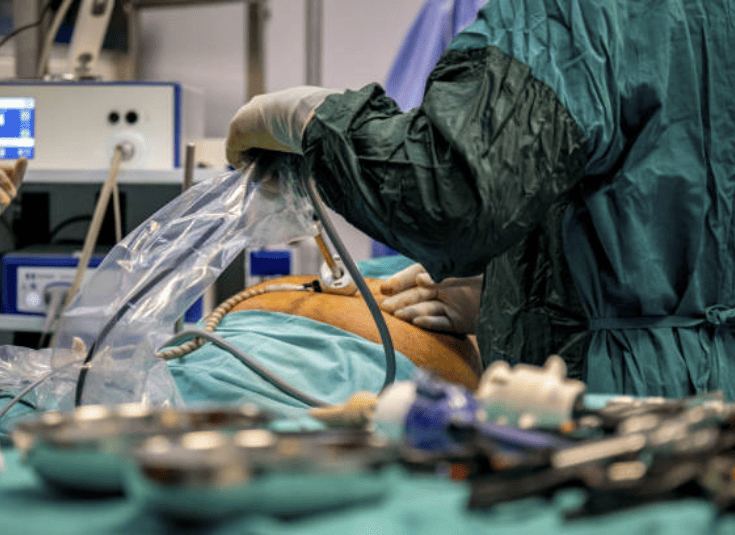
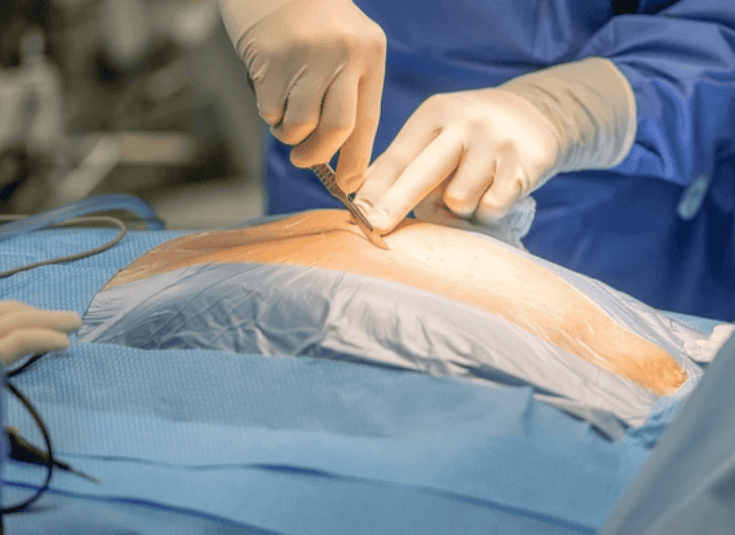
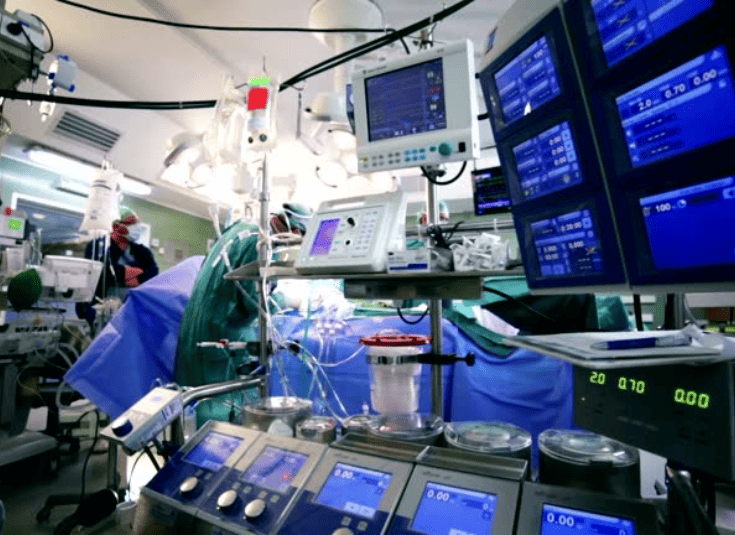
The surgery is performed under general anesthesia, with the patient’s chest being opened to access the heart. With advancements in surgical techniques and post-operative care, CABG has become a safe and effective treatment for patients at risk of heart attacks, ensuring improved survival rates and quality of life. Post-surgical recovery typically involves hospital stays, physical rehabilitation, and lifestyle modifications to support long-term heart health.
The surgery is performed under general anesthesia, with the patient’s chest being opened to access the heart. With advancements in surgical techniques and post-operative care, CABG has become a safe and effective treatment for patients at risk of heart attacks, ensuring improved survival rates and quality of life. Post-surgical recovery typically involves hospital stays, physical rehabilitation, and lifestyle modifications to support long-term heart health.
The success of CABG has revolutionized the treatment of CAD, with patients often experiencing significant relief from chest pain (angina), improved exercise tolerance, and reduced risk of heart attacks. Following surgery, patients are encouraged to adopt heart-healthy habits, including regular exercise, a balanced diet, and medication adherence, to prevent future cardiovascular issues.
© Dr. Dinesh Chandra 2026