


Congenital Heart Disease Surgery
Comprehensive Heart and Vascular Surgical Solutions
Understanding Congenital Heart Disease and Its Surgical Solutions
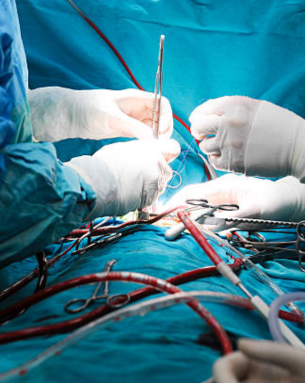
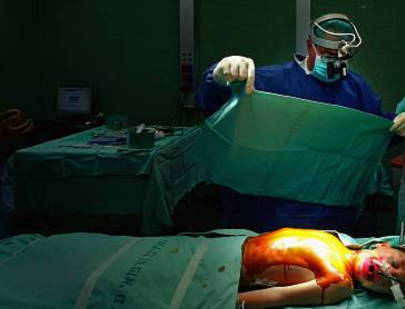
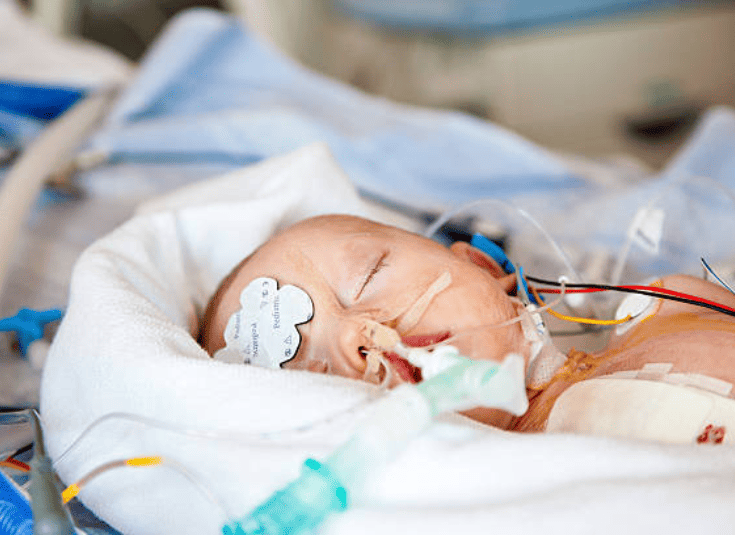
Congenital heart disease (CHD) refers to heart defects present at birth, which can range from simple conditions to complex malformations requiring immediate surgical correction. These defects can impair the heart’s ability to pump blood efficiently, leading to severe complications if not treated early. Surgery is often the best treatment option for children and, in some cases, adults with congenital heart defects.
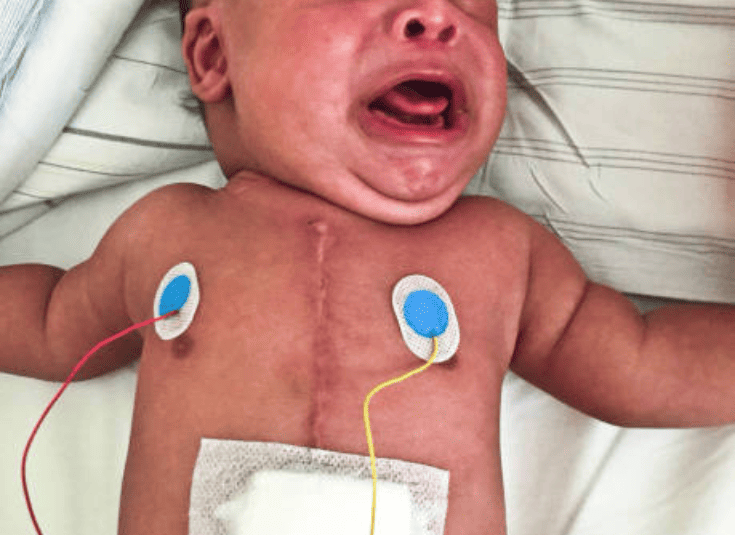
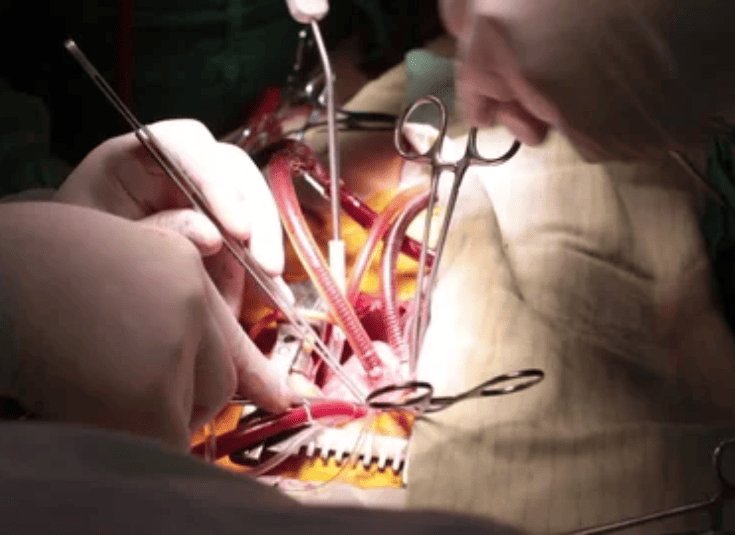
Surgical interventions for CHD may involve repairing or replacing heart valves, closing holes in the heart, or reconstructing blood vessels. In some instances, more complex surgeries are needed to correct defects like transposition of the great arteries or tetralogy of Fallot. Advances in pediatric cardiac surgery have drastically improved survival rates for children with congenital heart defects, with many leading normal, active lives post-surgery.
Surgical Procedures to Correct Congenital Defects
Surgical interventions for CHD may involve repairing or replacing heart valves, closing holes in the heart, or reconstructing blood vessels. In some instances, more complex surgeries are needed to correct defects like transposition of the great arteries or tetralogy of Fallot. Advances in pediatric cardiac surgery have drastically improved survival rates for children with congenital heart defects, with many leading normal, active lives post-surgery.
The Road to Recovery: Lifelong Care After CHD Surgery
Early intervention and ongoing medical care are crucial for children with CHD. Modern techniques, such as minimally invasive surgery and catheter-based interventions, have made these surgeries safer and less traumatic for young patients. The goal of CHD surgery is to ensure long-term heart health and improve the child’s overall quality of life, while also preventing complications such as arrhythmias, heart failure, or delayed growth.
Understanding Congenital Heart Disease and Surgical Solutions
Diagnosing and Treating Birth-Defected Heart Conditions
- Defective heart valves leading to impaired blood flow
- Hole in the heart causing oxygen levels imbalance
- Narrowed blood vessels restricting blood circulation
- Abnormalities in the heart's chambers affecting function
- Abnormal connections between arteries and veins in heart
Types of Congenital Heart Disease Surgeries
Surgical Approaches to Correct Heart Defects at Birth
- Open-heart surgery to repair or replace heart structures
- Catheter-based procedures for less invasive heart repairs
- Heart valve surgery to correct stenosis or insufficiency
- Balloon angioplasty for narrowing arteries in infants
- Transplant surgery in severe cases requiring new heart
Rehabilitation and Long-Term Care After Congenital Heart Surgery
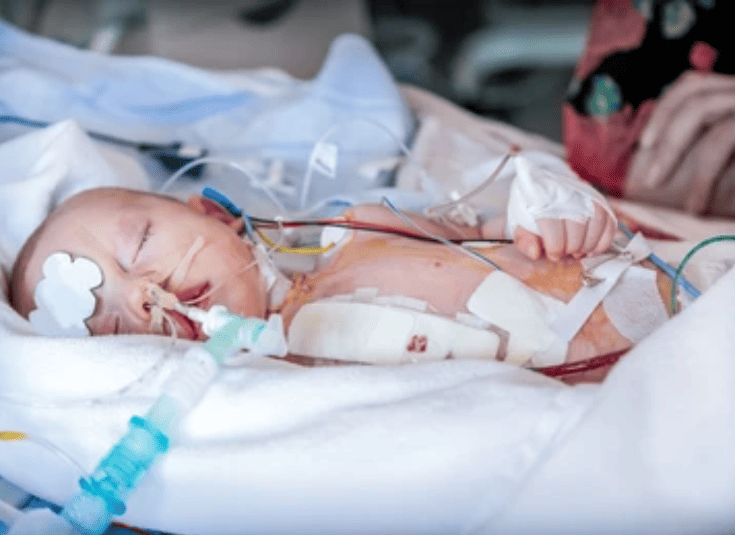
Post-Operative Recovery and Lifelong Management for Children
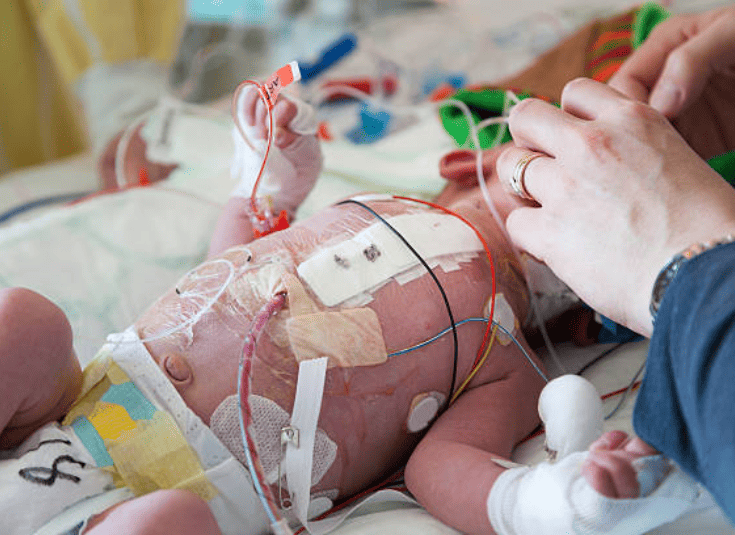
- Cardiac rehabilitation to enhance recovery post-surgery.
- Regular follow-up care to monitor heart function.
- Physical therapy to strengthen heart and lung capacity.
- Medications for managing symptoms and heart health.
- Lifestyle modifications to prevent future cardiac issues.
Why Choose Us?
Your Trusted Health Partner
- Expertise in complex cardiovascular and thoracic surgical procedures
- Extensive experience in heart failure and transplant surgeries
- Specialized in adult and pediatric cardiac surgery programs
- Dedicated to advancing rural healthcare through telemedicine initiatives
- Recognized for surgical precision and compassionate patient care


