Peripheral Vascular Disease Surgery
Comprehensive Heart and Vascular Surgical Solutions
What is Peripheral Vascular Disease and How Surgery Can Help
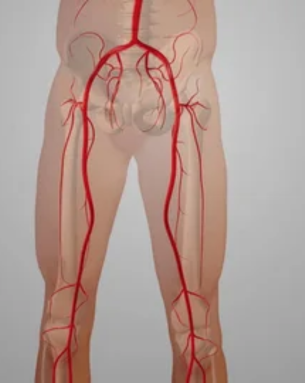
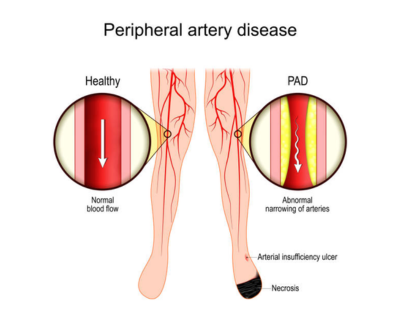
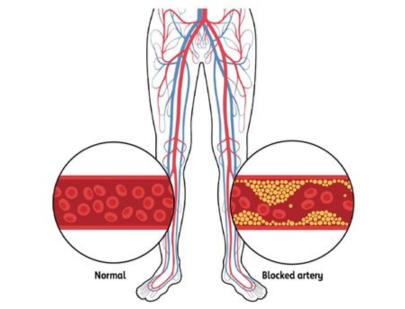
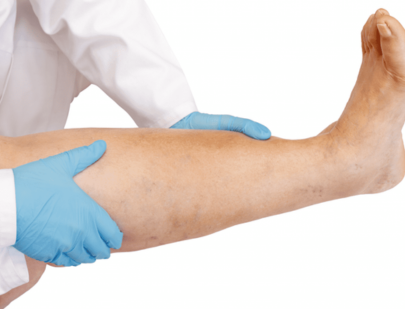
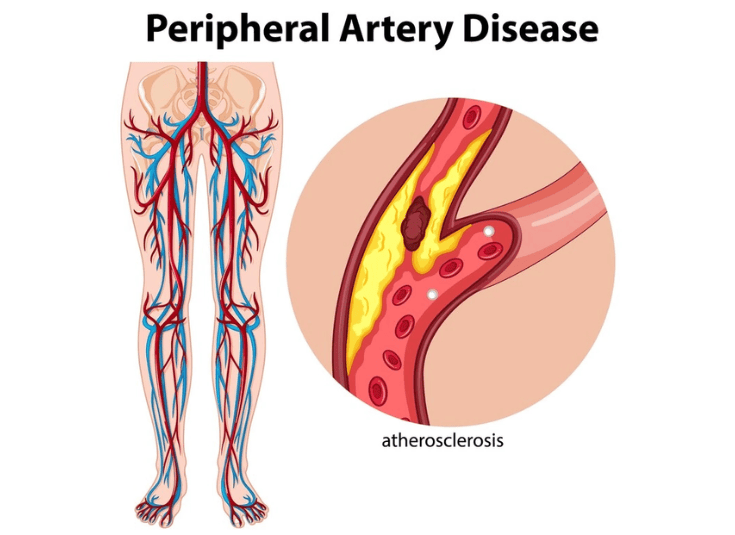
Peripheral Vascular Disease (PVD) refers to the narrowing or blockage of the blood vessels outside the heart and brain, often due to atherosclerosis. PVD can cause significant pain, mobility issues, and, in severe cases, tissue death due to inadequate blood supply. Surgical treatment for PVD aims to restore blood flow to the affected limbs and organs, improving the patient’s overall quality of life and reducing the risk of more severe complications.
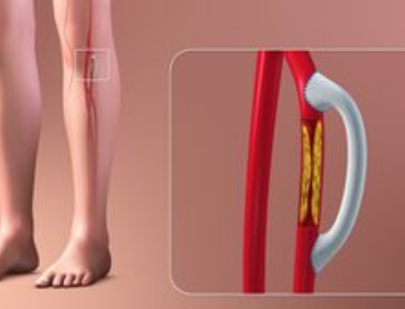
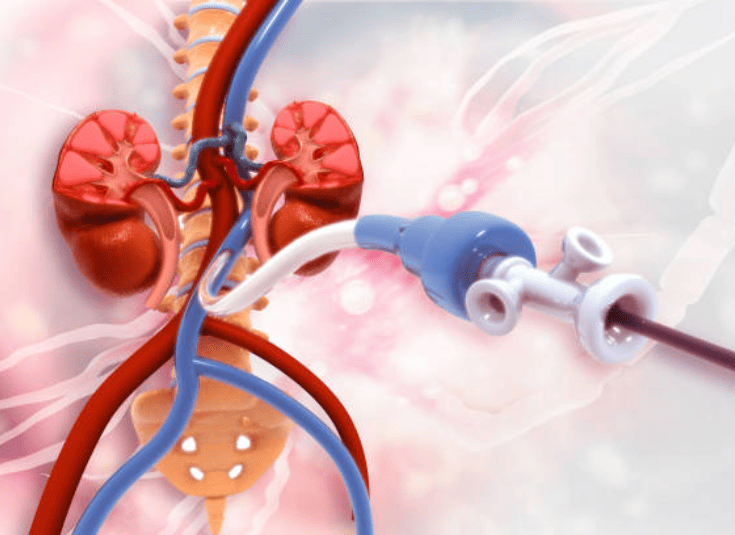
Surgical options for PVD include bypass surgery, angioplasty, and stent placement, which help clear or bypass blocked arteries. In some cases, endarterectomy, a procedure to remove plaque from the artery, may be necessary. Advances in surgical techniques, such as endovascular surgery, allow for minimally invasive procedures that reduce recovery time and the risk of complications compared to traditional open surgery.
Surgical Solutions: Bypass, Angioplasty, and Endarterectomy
Surgical options for PVD include bypass surgery, angioplasty, and stent placement, which help clear or bypass blocked arteries. In some cases, endarterectomy, a procedure to remove plaque from the artery, may be necessary. Advances in surgical techniques, such as endovascular surgery, allow for minimally invasive procedures that reduce recovery time and the risk of complications compared to traditional open surgery.
Post-Operative Care and Long-Term Outcomes
The primary goal of peripheral vascular surgery is to relieve symptoms like leg pain, cramping, and fatigue, allowing patients to resume normal activities. Following surgery, patients are encouraged to adopt a heart-healthy lifestyle, including regular exercise, smoking cessation, and medication adherence, to prevent future vascular issues and ensure long-term health
Understanding Peripheral Vascular Disease and Its Surgical Treatment
Diagnosing and Addressing Blockages in Peripheral Blood Vessels
- Reduced blood flow due to narrowed or blocked arteries
- Leg pain, cramping, and fatigue as primary symptoms
- Risk factors include smoking, diabetes, and hypertension
- Peripheral vascular disease often leads to limb amputation
- Early diagnosis essential for preventing severe complications
Types of Peripheral Vascular Disease Surgeries
Surgical Approaches to Restore Blood Flow and Prevent Damage
- Angioplasty to open up narrowed blood vessels.
- Stent placement to keep arteries open after surgery.
- Bypass surgery to reroute blood flow around blockages.
- Endarterectomy to remove plaque buildup from arteries.
- Amputation in severe cases with non-functional limbs.
Rehabilitation and Prevention After Peripheral Vascular Surgery
Long-Term Care for Improved Circulation and Function
- Physical therapy to regain mobility and strength
- Lifestyle changes, including diet, to improve circulation
- Regular monitoring of blood pressure and cholesterol
- Medication management to prevent further artery blockages
- Smoking cessation essential to reduce risk of recurrence
Why do people choose us?
Leading Expertise in Advanced Cardiac and Vascular Care
- Expertise in complex cardiovascular and thoracic surgical procedures
- Extensive experience in heart failure and transplant surgeries
- Specialized in adult and pediatric cardiac surgery programs
- Dedicated to advancing rural healthcare through telemedicine initiatives
- Recognized for surgical precision and compassionate patient care


