

Addressing Life-Threatening Aortic Conditions
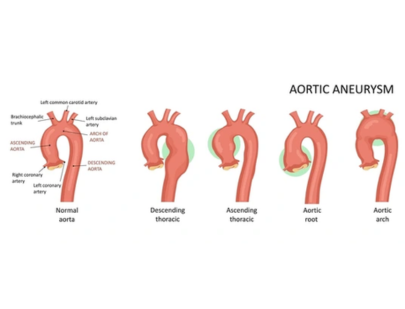
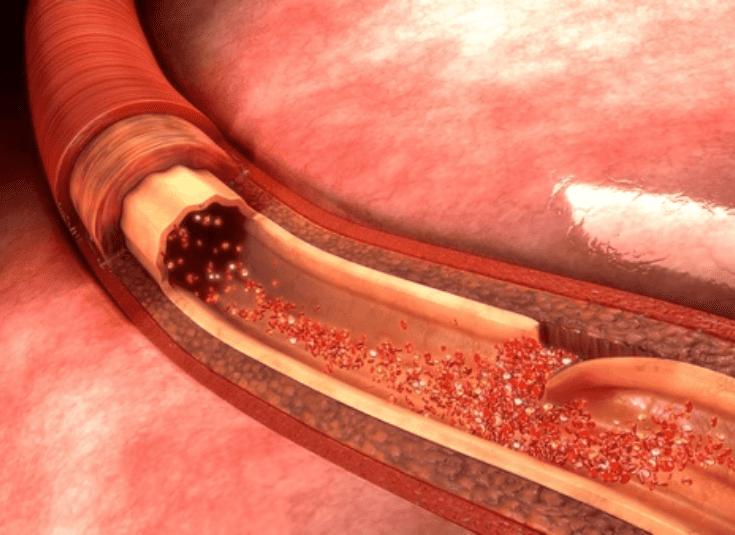
Aortic surgery addresses disorders of the aorta, the large blood vessel that carries blood from the heart to the rest of the body. Conditions such as aneurysms, dissections, or other abnormalities of the aorta require prompt and specialized surgical intervention to prevent life-threatening complications. Aortic aneurysms, for example, occur when the aorta weakens and bulges, risking rupture or dissection, which can be fatal without immediate surgery.
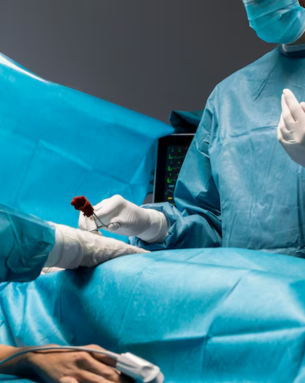
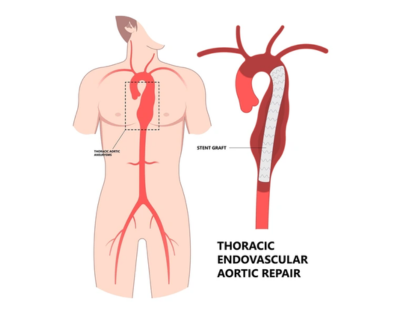
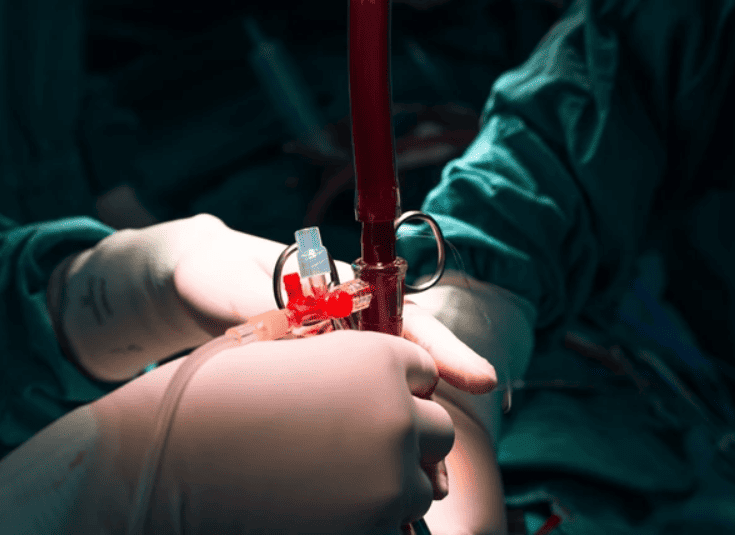
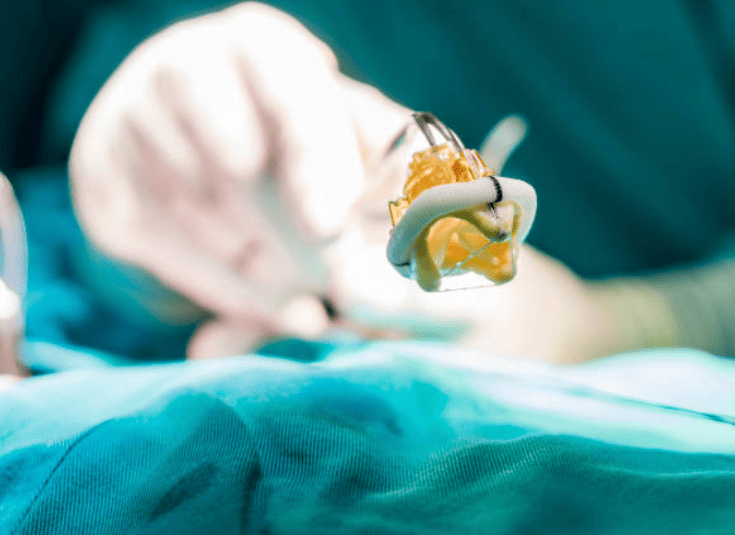
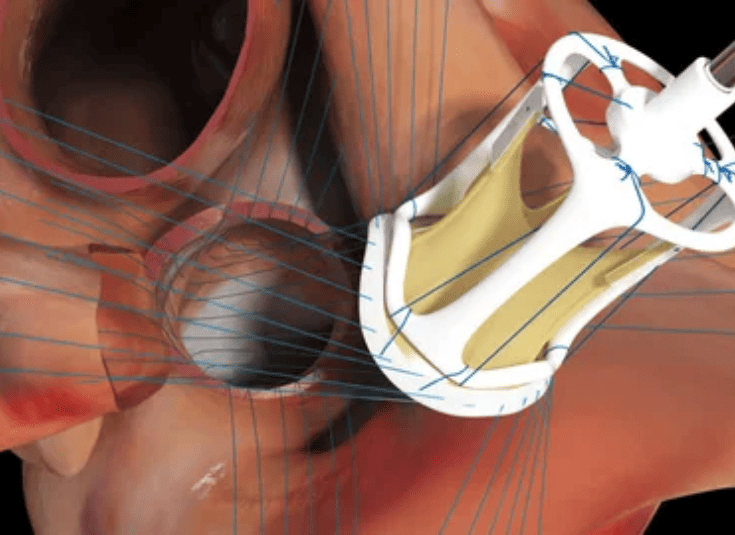
Aortic surgery involves either repairing or replacing the damaged section of the aorta using a graft. The surgery can be performed through traditional open-heart surgery or, in some cases, using minimally invasive techniques. Endovascular surgery, which uses a catheter inserted through a small incision in the groin, is increasingly used for aortic repair, offering patients quicker recovery times and less risk of complications.
Techniques for Aortic Repair: Open vs. Endovascular Surgery
Aortic surgery involves either repairing or replacing the damaged section of the aorta using a graft. The surgery can be performed through traditional open-heart surgery or, in some cases, using minimally invasive techniques. Endovascular surgery, which uses a catheter inserted through a small incision in the groin, is increasingly used for aortic repair, offering patients quicker recovery times and less risk of complications.
Aortic Surgery: Ensuring Long-Term Health and Survival
With early detection and surgical intervention, aortic surgery significantly improves survival rates for patients with aortic aneurysms or dissections. Regular monitoring and follow-up care are essential to ensure the aorta remains stable, preventing further complications. The success of aortic surgery often leads to a dramatic reduction in symptoms and a much-improved prognosis for patients.
Conditions Leading to Aortic Surgery
Key Health Issues Necessitating Aortic Surgical Intervention
- Aortic aneurysms causing vessel weakening and risk of rupture
- Aortic dissection leading to life-threatening vessel tears
- Atherosclerosis hardening arteries, restricting blood flow
- Congenital conditions like bicuspid aortic valve causing abnormalities
- Trauma or injury resulting in aortic damage or rupture
Types of Aortic Surgeries Available
Surgical Options for Treating Aortic Conditions Effectively
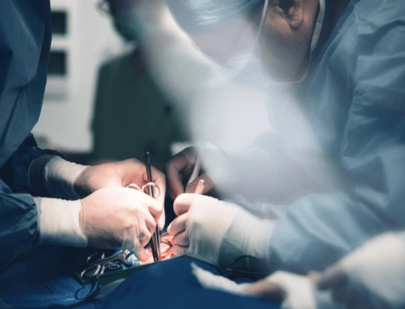
- Open aortic surgery for large aneurysms or dissections
- Endovascular aneurysm repair (EVAR) using minimally invasive techniques
- Aortic valve replacement to correct faulty or diseased valves
- Thoracic endovascular aortic repair (TEVAR) for chest aortic issues
- Aortic root surgery to repair or replace damaged structures
Preventive and Rehabilitation Strategies for Aortic Surgery
Post-Surgery Care and Prevention to Enhance Recovery
- Regular monitoring for aortic health and potential complications
- Lifestyle changes like exercise, diet to improve heart health
- Blood pressure control to reduce stress on the aorta
- Cardiac rehabilitation to regain strength post-surgery
- Avoidance of smoking and alcohol for improved vascular health
Why do people choose us?
Leading Expertise in Advanced Cardiac and Vascular Care
- Expertise in complex cardiovascular and thoracic surgical procedures
- Extensive experience in heart failure and transplant surgeries
- Specialized in adult and pediatric cardiac surgery programs
- Dedicated to advancing rural healthcare through telemedicine initiatives
- Recognized for surgical precision and compassionate patient care


